


The Besom in Handfasting: History, Symbolism, and Sacred Tradition
- solarcrone
- Feb 17
- 4 min read

The besom, more commonly known as a broom, holds a longstanding place in wedding custom. While it is frequently associated today with Pagan and Wiccan handfastings, its story is neither singular nor confined to one tradition. The use of a broom in marriage rites has appeared in several cultural contexts, each with its own history and significance.
When working with traditions that do not originate within our own cultural heritage, it is important to approach them with care, understanding and proper acknowledgement. What follows is an overview of the besom within British and contemporary Pagan practice, alongside guidance on where to find authoritative information on traditions rooted elsewhere.
Handfasting in the British Isles
The term handfasting is most often linked to Scotland and parts of northern England. In medieval Scotland, couples could enter into a recognised union by declaring their intent before witnesses, often joining hands as a sign of agreement. In some regions, such unions were understood as betrothals; in others, they were binding marriages.
Records and scholarship relating to Scottish marriage law and custom can be explored through the National Records of Scotland, which holds extensive archival material on historical forms of marriage.
Although broom jumping was not universal across Britain, threshold symbolism was common in rural custom. In parts of Wales and England during the 18th and 19th centuries, accounts describe couples stepping or leaping over a broom placed across a doorway as a gesture of entering shared domestic life. The broom, as an essential household tool, naturally symbolised the creation of a new home.
Readers interested in British folk practices may wish to consult the Folklore Society, whose publications document regional traditions, or explore rural domestic history through the Museum of English Rural Life. The British Library also holds manuscripts and folklore collections that provide valuable historical context.
The Besom in Contemporary Pagan Practice
Within modern Paganism and Wicca, the besom has evolved into a recognised ritual tool. Traditionally associated with purification and protection, it may be used to symbolically sweep a ritual space before ceremony begins.
In a handfasting context, the besom is often laid before the couple after vows have been spoken and hands have been bound. The couple then steps or gently jumps over it together. This action symbolises:
Crossing a threshold into shared life
Leaving behind former burdens
Establishing a joint household
The joining of complementary energies
For those wishing to explore the development of contemporary Pagan ritual in Britain, foundational reading includes Witchcraft Today by Gerald Gardner, which played a formative role in the emergence of modern Wicca. Academic studies of Pagan movements in the UK are also available through publishers such as Oxford University Press.
African American Broom Jumping Traditions
The custom of jumping the broom also holds deep and specific significance within African American history. During the period of enslavement in the United States, when legal marriage was denied to enslaved people, some couples marked their unions by jumping a broom in the presence of their community. After emancipation, the tradition continued in some families as an affirmation of resilience, heritage and ancestral continuity.
As this tradition belongs to a distinct cultural and historical experience, it is important that it be understood within its proper context. Those wishing to learn more from authoritative sources may consult the British Library’s resources on transatlantic slavery and African diasporic history via the British Library, or explore collections and scholarship made accessible internationally by the Smithsonian Institution. Academic texts on the history of slavery and African American cultural practice are also available through major UK universities and research libraries.
When incorporating broom jumping into a ceremony outside its originating tradition, many couples choose to do so with informed respect, acknowledging its history and ensuring it is not presented without context.
The Symbolism of the Threshold
Across cultures, the threshold is a powerful symbol. A doorway marks transition from one state of being to another, from independence to partnership, from past to future. Anthropological studies of ritual frequently describe such moments as liminal, meaning that they occupy a space of transformation.
The act of stepping over a besom makes this transition physical and visible. It is not simply declared; it is enacted. The couple moves forward together, intentionally and publicly.
This physical crossing is what gives the gesture its enduring resonance. It is simple, yet deeply symbolic.
The Besom as a Lasting Keepsake
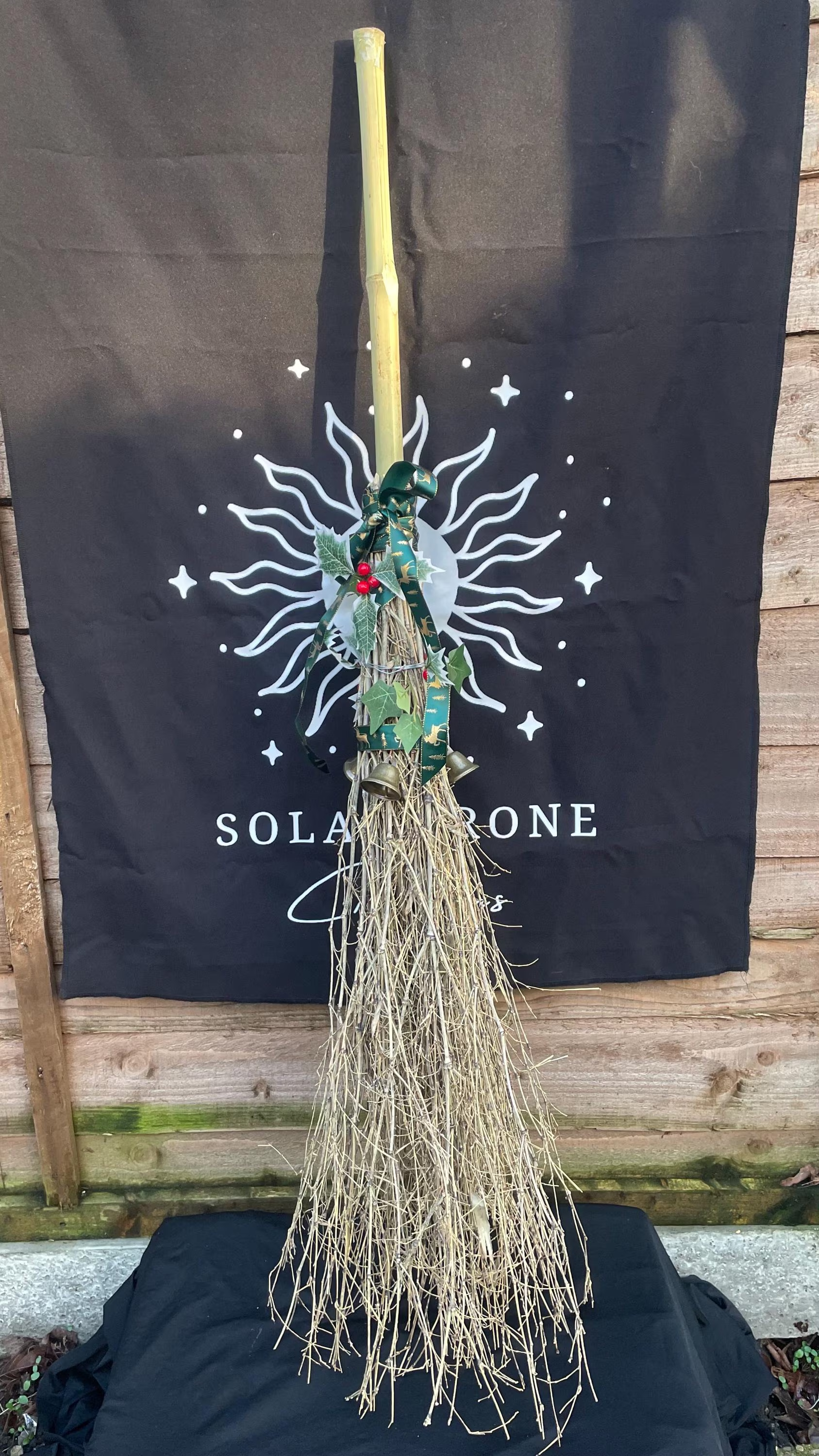
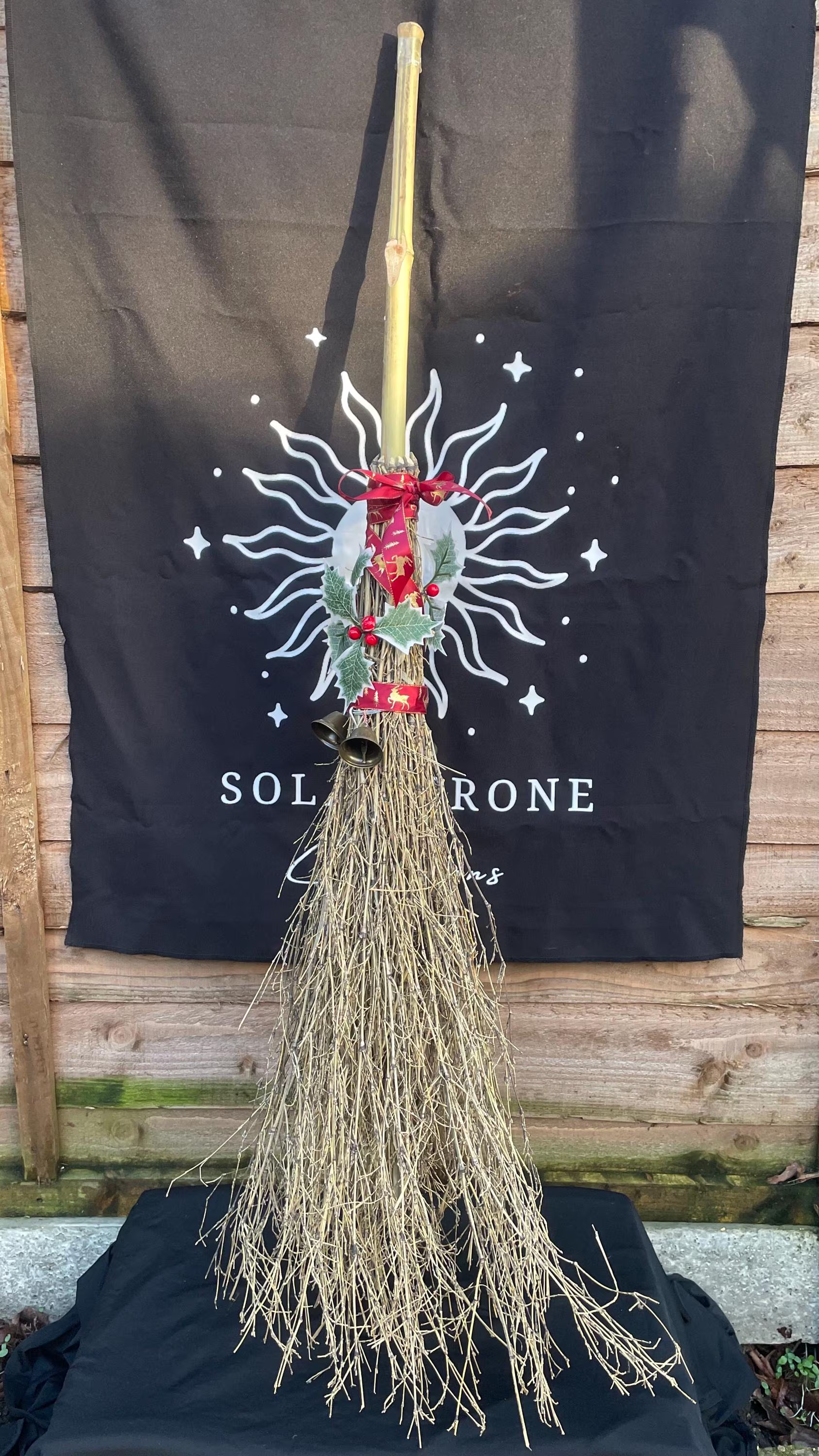
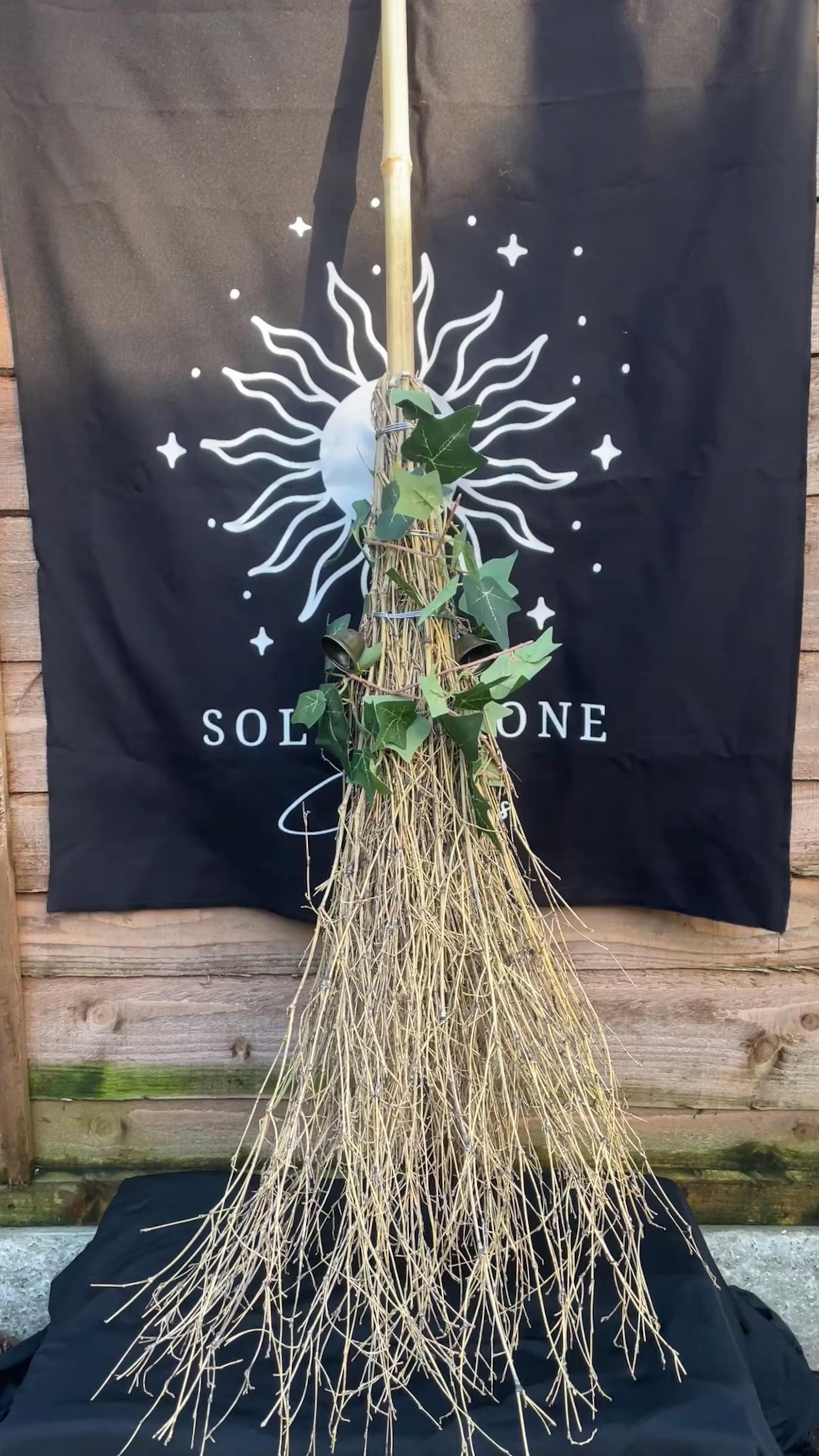
After the ceremony, the besom often becomes part of the home it symbolised. Some couples hang it above the doorway as a blessing of protection and welcome. Others place it near the hearth or within a sacred space as a reminder of vows spoken.
Decorations may include ribbons, seasonal flowers, or colours chosen for personal significance. Whether modest or ornate, the besom becomes more than a prop; it becomes a marker of a shared beginning.
A Living and Evolving Tradition
The presence of the besom in wedding rites illustrates how traditions travel, adapt and endure. In Britain, it reflects rural custom and household symbolism. In contemporary Pagan practice, it carries ritual meaning. In African American history, it represents resilience and community under oppression.
Understanding these layers allows couples to approach the custom thoughtfully, with both appreciation and awareness.
Our Besoms
Our besoms are crafted with respect for this heritage. Designed for ceremonial use yet sturdy enough to last for years to come, each piece honours the symbolism of threshold, home and partnership.
If you are planning a handfasting and wish to include the timeless gesture of stepping the besom, we invite you to explore our current collection while stock remains available. Should you have questions regarding historical context or ceremonial use, we are always pleased to assist.




Comments